
Your engine relies on quality motor oil to stay healthy. But not all motor oils deliver on their promises.
Some brands fail basic industry standards and can actually damage your engine instead of protecting it.
This guide reveals five motor oil brands you should avoid and explains why they’re dangerous for your vehicle.

Why Motor Oil Quality Matters
Motor oil keeps your engine running smoothly by lubricating moving parts, reducing friction, and preventing wear.
Quality oil maintains proper viscosity across temperature ranges, protects against corrosion, and keeps your engine clean by preventing sludge buildup.
Poor-quality oil fails at these critical jobs. It breaks down faster, leaves deposits that clog your engine, and can void your warranty. The American Petroleum Institute (API) sets standards that protect consumers, but some brands ignore these requirements entirely.
Industry testing by the Petroleum Quality Institute of America has identified several brands that consistently fail to meet basic specifications. These oils put your engine at serious risk.
The 5 Worst Motor Oil Brands
1. Q10-40 Motor Oil
Q10-40 tops the list of motor oils to avoid. The Petroleum Quality Institute of America issued a consumer alert specifically about this brand after testing revealed serious problems.
The packaging uses misleading tactics that confuse buyers. The label displays “10•40” prominently, suggesting it meets SAE 10W-40 viscosity requirements. Testing proves otherwise. The oil doesn’t meet the viscosity standards it claims, which means it won’t protect your engine the way you expect.
Laboratory analysis shows Q10-40 lacks adequate additive packages. Modern engines need specific additives to prevent sludge formation and protect against wear. This oil fails to deliver those protections. Extended use can lead to increased engine deposits, reduced performance, and potentially catastrophic engine damage.
Mechanics report seeing engines that used Q10-40 develop excessive sludge buildup within just a few thousand miles. The oil breaks down quickly under normal operating temperatures, leaving your engine vulnerable.
We recommend this motor oil as an alternative.
2. Bullseye Motor Oil
Bullseye Motor Oil earns its spot on this list by failing multiple API standards. Independent testing reveals this oil doesn’t meet requirements for viscosity, additive content, or performance specifications.
The viscosity problem stands out as particularly concerning. Viscosity determines how well oil flows and protects at different temperatures. Bullseye’s actual viscosity falls far below its label claims. When oil is too thin, it can’t maintain a proper lubricating film between metal parts. This leads to increased friction and accelerated wear.
Users report rapid sludge accumulation when using Bullseye. Sludge forms when oil breaks down and oxidizes, creating thick deposits that restrict oil flow. These deposits starve engine components of lubrication and can block critical oil passages.
Corrosion protection also falls short with this brand. Quality motor oil contains rust and corrosion inhibitors that protect metal surfaces from moisture and combustion byproducts. Bullseye lacks adequate protection, allowing rust to form on internal engine components. Once corrosion starts, it accelerates wear and can cause permanent damage.
3. Questron Motor Oil
Questron presents itself as meeting API SN/GF-5 standards through its packaging design. These standards represent important benchmarks for oil quality and performance. Extensive laboratory testing tells a different story.
The oil actually fails to meet the standards it claims. This isn’t just false advertising—it’s dangerous. Drivers choose oil based on these certifications to protect their engines. When the oil doesn’t deliver promised protection, serious damage can result.
Chemical analysis reveals excessive phosphorus content in Questron. Phosphorus serves important functions in motor oil, but too much creates problems. High phosphorus levels can damage catalytic converters, which are expensive emissions control devices. Modern vehicles use advanced catalytic converter systems that can’t tolerate excessive phosphorus exposure.
The viscosity issue compounds these problems. Testing shows Questron’s actual viscosity runs about 13% lower than specified. This significant deviation means the oil flows too freely, especially at high temperatures. Thin oil can’t maintain proper protection under load, leading to metal-on-metal contact and accelerated wear.
Vehicle owners using Questron report decreased engine performance and unusual noises. These symptoms indicate inadequate lubrication. By the time these warning signs appear, damage has often already occurred.
4. Everclear Motor Oil
Everclear Motor Oil uses deceptive packaging practices that mislead consumers about the product inside. The label suggests multigrade capabilities that the oil simply doesn’t possess.
True multigrade oils maintain appropriate viscosity across a wide temperature range. They flow freely when cold for easy starting, then stay thick enough when hot to protect under stress. Everclear fails this basic requirement.
The additive package creates additional concerns. Everclear contains organometallic additives that many modern engines can’t tolerate. These additives can react negatively with engine materials and emissions systems. Some vehicles specifically prohibit oils with certain additive types, yet Everclear doesn’t clearly disclose its additive composition.
Perhaps most troubling is the cranking viscosity. Testing shows Everclear’s cold-temperature viscosity measures 260% higher than SAE recommendations. This means the oil becomes extremely thick in cold weather. When you start your engine on a cold morning, thick oil takes longer to reach critical components. During those initial seconds, your engine runs with minimal lubrication, causing excessive wear with every cold start.
Repeated cold starts with Everclear accelerate engine wear dramatically. Over time, this wear accumulates, reducing engine life and performance. The damage often goes unnoticed until major problems develop.
5. AB Lubes Supertech
AB Lubes Supertech rounds out our list of oils to avoid. This brand stands out for its complete lack of proper certifications from recognized testing organizations.
No reputable organization has verified that Supertech meets industry standards. The API, SAE, and other testing bodies haven’t certified this oil. This absence of certification should raise immediate red flags.
Testing reveals serious viscosity problems. The oil’s thickness decreases significantly as temperature rises. While all oils thin somewhat with heat, quality oils maintain adequate viscosity to protect your engine. Supertech becomes dangerously thin at normal operating temperatures.
When oil gets too thin, it can’t prevent metal-to-metal contact between engine parts. Bearings, pistons, and camshafts need a thick oil film to separate moving surfaces. Without proper separation, these parts grind against each other, generating excessive heat and wear.
Even the manufacturer acknowledges concerns. The container includes warnings advising users to “use with caution” due to lack of proper certifications. This unusual warning should tell you everything you need to know. No reputable oil manufacturer would include such a disclaimer on their product.
Mechanics report seeing accelerated wear patterns in engines that used Supertech. Bearing surfaces show scoring and excessive clearances. Piston rings wear prematurely. These problems stem directly from inadequate lubrication.
Understanding Oil Certifications and Standards
Quality motor oil carries certifications from recognized testing organizations. These certifications prove the oil meets minimum performance requirements. Understanding these standards helps you choose safe products.
The American Petroleum Institute (API) operates the most widely recognized certification program. The API “donut” symbol appears on approved oils. This circular logo displays the oil’s service category and viscosity grade. Current gasoline engine standards include API SN, SN Plus, and SP. Diesel engines use different categories like CK-4 and FA-4.
The Society of Automotive Engineers (SAE) establishes viscosity standards. The SAE grade appears on every oil bottle as a number like 5W-30 or 10W-40. The “W” stands for winter. The first number indicates cold-temperature viscosity, while the second shows high-temperature viscosity.
The International Lubricant Standardization and Approval Committee (ILSAC) sets additional standards for passenger car oils. The ILSAC “starburst” symbol indicates oils that meet fuel economy requirements. Current standards include GF-6A and GF-6B.
These certifications require extensive testing. Oils undergo laboratory analysis and real-world engine tests. They must prove they can protect against wear, resist oxidation, prevent deposits, and maintain viscosity. Only oils that pass all tests earn certification.
The brands listed above either lack these certifications entirely or falsely claim to meet standards they actually fail. This deception puts your engine at risk.
How to Choose Quality Motor Oil
Protecting your engine starts with selecting the right oil. Follow these guidelines to make informed decisions.
Check Your Owner’s Manual
Your vehicle’s owner’s manual specifies exactly which oil your engine needs. Manufacturers test extensively to determine optimal oil specifications. They consider factors like engine design, operating temperatures, and emissions requirements.
The manual lists required viscosity grades and performance standards. Some vehicles need specific oils formulated for particular engine technologies. Using the wrong oil can cause problems and void your warranty.
Verify Certifications
Always look for API certification marks on oil containers. The API donut should display clearly on the back label. Check that the service category matches or exceeds your vehicle’s requirements.
For gasoline engines, look for API SP, SN Plus, or SN. Older designations like SM or SL work for older vehicles but shouldn’t be used in newer engines. Diesel engines require different categories.
The ILSAC starburst symbol indicates additional quality. Oils with this certification meet stricter requirements for fuel economy and emissions protection.
Choose Established Brands
Stick with reputable manufacturers that have proven track records. Major brands invest heavily in research, testing, and quality control. They formulate oils specifically to meet modern engine requirements.
Well-known brands include Mobil 1, Castrol, Valvoline, Pennzoil, and Royal Purple. These companies maintain strict quality standards and stand behind their products. Their oils consistently meet or exceed industry specifications.
Avoid Unknown or Bargain Brands
Extremely cheap oil often indicates low quality. Quality motor oil requires expensive base oils and additive packages. Manufacturers can’t produce legitimate high-performance oil at rock-bottom prices.
Unknown brands without proper certifications present serious risks. These oils may lack adequate testing or use substandard ingredients. The short-term savings aren’t worth potential engine damage.
Consider Synthetic Options
Synthetic oils offer superior protection compared to conventional oils. They resist breakdown better, flow more easily in cold weather, and protect better at high temperatures. Modern vehicles often require or recommend synthetic oil.
Full synthetic oils provide the best protection but cost more. Synthetic blends offer improved performance at a middle price point. Your owner’s manual indicates whether your engine requires synthetic oil.
Signs Your Oil Is Causing Problems
Poor-quality oil produces warning signs. Recognizing these symptoms early can prevent serious damage.
Excessive Oil Consumption
Your oil level shouldn’t drop significantly between changes. If you need to add oil frequently, something’s wrong. Poor-quality oil breaks down faster and burns off more easily. This creates blue smoke from the exhaust and leaves deposits on engine parts.
Engine Knocking or Ticking
Unusual engine noises often indicate lubrication problems. Knocking sounds suggest inadequate protection under load. Ticking or tapping noises may point to valve train issues caused by insufficient oil flow or quality. These noises deserve immediate attention before damage worsens.
Dark, Thick Oil
Check your oil regularly using the dipstick. Fresh oil appears amber or honey-colored. As oil ages, it darkens. However, oil that turns black quickly or becomes thick and sludgy indicates problems. Poor-quality oil oxidizes rapidly, forming deposits that contaminate the entire system.
Reduced Performance
Engines need proper lubrication to deliver full power. Inadequate oil causes increased friction, reducing efficiency and performance. You might notice sluggish acceleration, decreased fuel economy, or reduced power output. These symptoms often develop gradually as damage accumulates.
Check Engine Light
Modern vehicles monitor oil pressure and quality through sensors. Low oil pressure triggers the check engine light or oil pressure warning. Some vehicles can detect oil degradation through analysis of engine parameters. Never ignore these warnings.
The True Cost of Cheap Oil
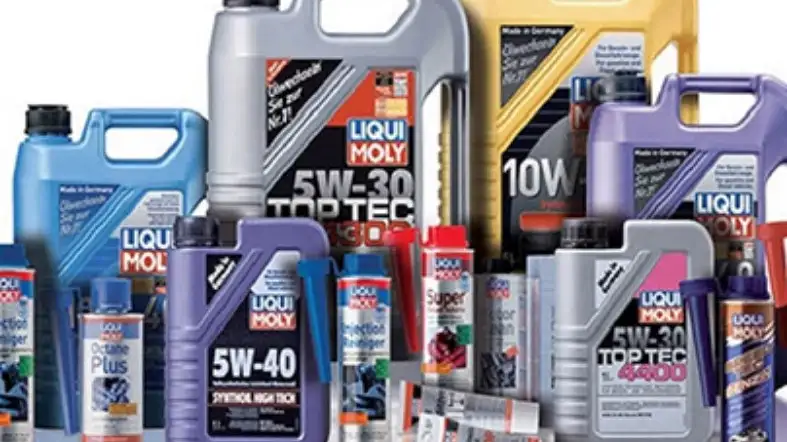
Saving a few dollars on oil changes might seem smart, but poor-quality oil costs far more in the long run. Understanding these costs helps you make better decisions.
Engine repairs are expensive. A complete engine rebuild can cost $3,000 to $7,000 or more, depending on your vehicle. Engine replacement often exceeds $5,000. Major repairs like these typically result from accumulated damage that develops over time.
Poor-quality oil accelerates this damage. Every time you use substandard oil, you’re sacrificing your engine’s longevity. The wear might not be visible immediately, but it adds up with each oil change cycle.
Reduced fuel economy represents another hidden cost. Increased friction from inadequate lubrication forces your engine to work harder. This reduces efficiency and increases fuel consumption. Over thousands of miles, this inefficiency costs significant money.
Warranty issues create additional complications. Most vehicle warranties require proper maintenance with approved products. Using non-certified oil violates these requirements. If engine problems develop, the manufacturer can deny warranty coverage. You’ll pay for repairs that should have been covered.
Resale value also suffers. Well-maintained vehicles command higher prices. Buyers investigate maintenance history before purchasing used vehicles. Evidence of poor maintenance practices, including cheap oil use, reduces what buyers will pay. Detailed maintenance records showing quality oil use help maximize resale value.
Final Recommendations
Your engine represents a significant investment. Protecting it requires choosing quality motor oil from reputable manufacturers. The five brands discussed in this article—Q10-40, Bullseye, Questron, Everclear, and AB Lubes Supertech—consistently fail to meet basic quality standards.
These oils lack proper certifications, contain inadequate additive packages, and fail viscosity requirements. Using them puts your engine at risk of sludge buildup, excessive wear, and potential failure.
Instead, choose oils that display proper API and ILSAC certifications. Stick with established brands that invest in quality and testing. Follow your owner’s manual specifications exactly. Consider synthetic oils for superior protection.
The money you spend on quality oil is an investment in your vehicle’s longevity. It prevents expensive repairs, maintains performance, and preserves warranty coverage. Don’t risk your engine to save a few dollars on oil.
Check your oil regularly, change it according to your manufacturer’s schedule, and always verify that your oil meets required specifications. These simple steps ensure your engine receives the protection it needs to deliver reliable performance for years to come.
==
====
Motor oil works as a lubricant to the car components and reduces friction within the components. Your motor oil will ensure a swift drive and smooth run.
That’s why you should be very careful about the choice of your car’s motor oil.
But what if the motor oil you choose is of no use? Well, it sounds really scary to us because we know how harsh the effect a bad motor oil can put on your engine.
Using bad motor oil can increase the engine’s noise. Also, with the lack of proper lubrication, the inner components will get damaged.
So, today, we are going to save your back from this trouble. We are going to share the 5 bad motor oil brands to avoid, and also a few amazing alternatives that will blow your mind!
Without any further delay, let’s get enlightened!